Vantage Drops a 500-Megawatt Aurora Campus That the City's New Moratorium Exempts
Vantage Data Centers told Aurora on Nov. 23 that it will leave its 500-megawatt Trident site, hours before a council vote on a moratorium that spares Trident.
By Ryan Elliott Dennis · 5 sources · 6 min read
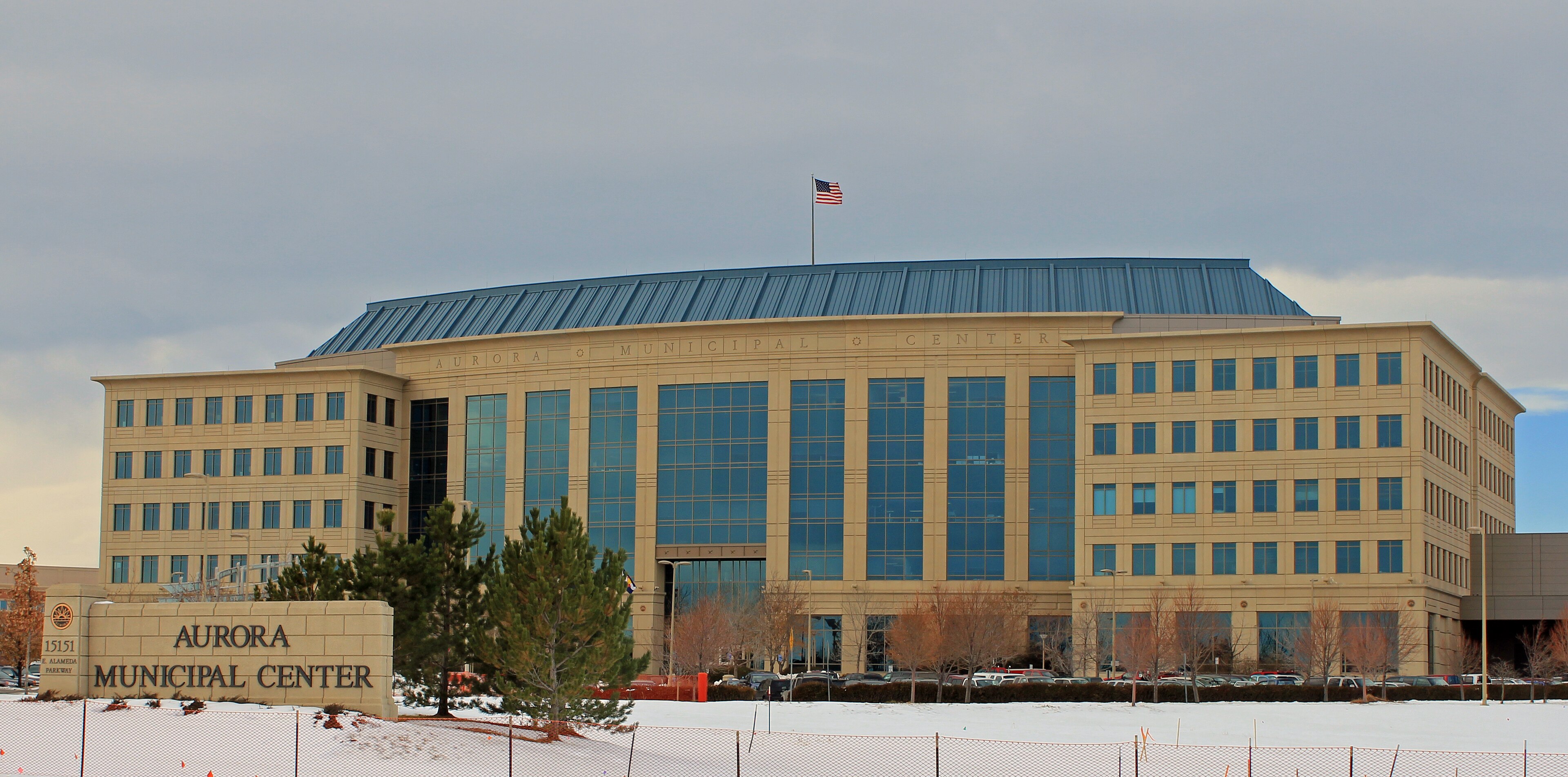
Vantage Data Centers told Aurora, Colorado on Nov. 23, 2026 that it will leave its Trident campus, a planned 500-megawatt data center that would have been the largest announced in the state 1. Hours later the Aurora City Council passed a moratorium on new data centers across part of the city, with a unanimous vote 5. The text of that moratorium exempts Trident 2.
Why would Vantage leave a site that the new rule protects? Mayor Mike Coffman had urged Vantage to move the project and told it he would ask the council to vote against it if the company stayed 5. The answer sits in that sequence: a council majority and its mayor made the site unwelcome before any law made it illegal.
What did Vantage give up in Aurora?
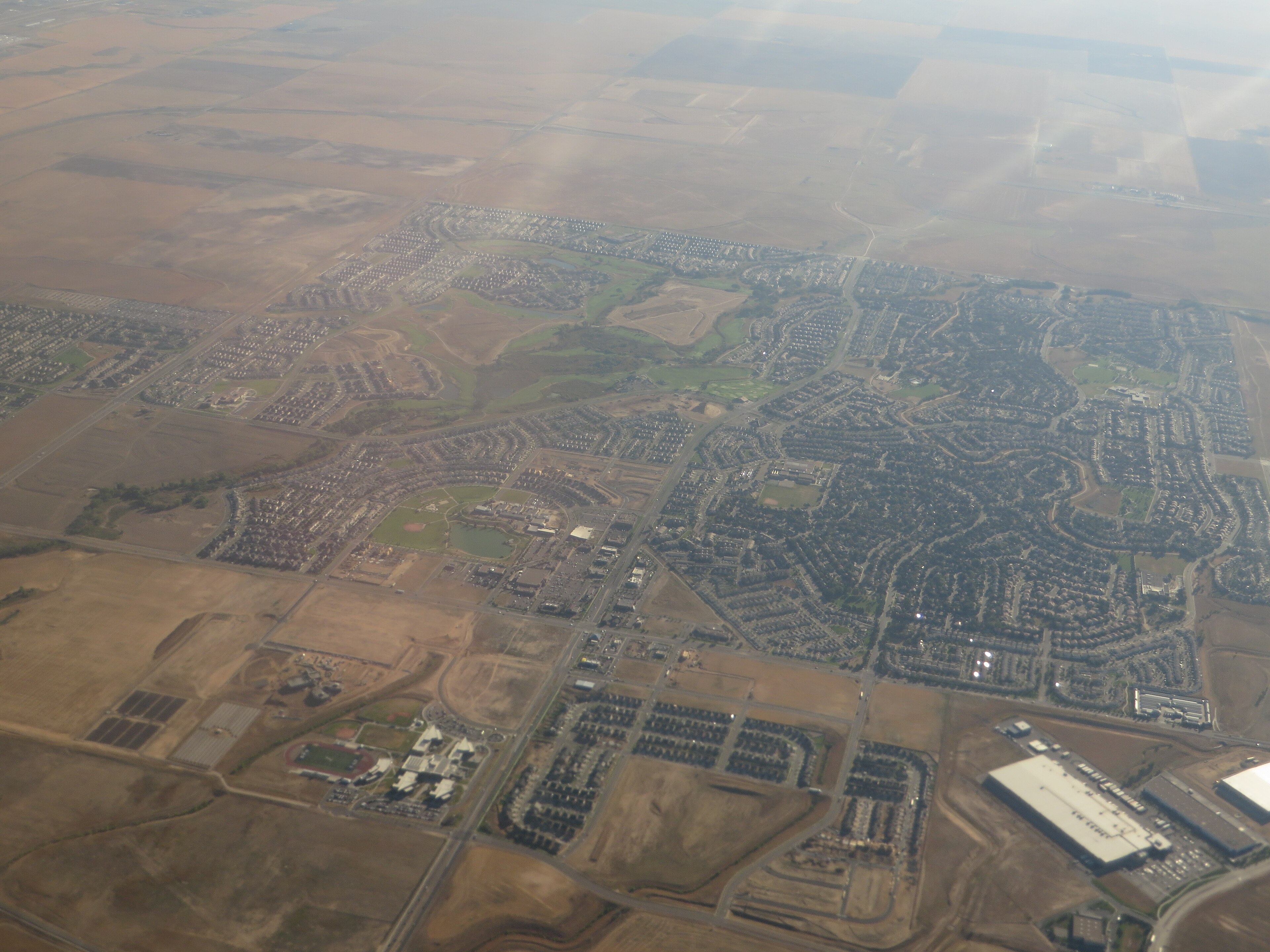
Trident was planned for 108 acres near East 48th Avenue and E-470, a toll road on the city's eastern edge 1. The proposal called for two two-story buildings totaling about 860,000 square feet near the Windler and Green Valley Ranch communities 4.
The city had already committed to four incentive agreements worth up to about $83 million in rebates, and Trident could have received up to $39 million of that 2. Statewide, the Colorado Public Utilities Commission has ordered Xcel Energy to develop data center rates that protect other customers 1.
Vantage's statement to 9NEWS gave a reason in its first clause. "While we will no longer pursue the current site for our proposed campus," Misty Allen, the company's vice president of public policy for North America, said, and she added that Vantage began reviewing alternatives in response to community concerns 5. Ryan Luby, the city's deputy director of communications, said Vantage informed city staff only after the station reported the decision.

Trident's 500 megawatts against the 160 megawatts QTS keeps building
ComparedWhy did a moratorium that spares Trident end it?
Residents carried the opposition for months. Ray Czaplewski, who lives in Green Valley Ranch, reacted to Vantage's search for other sites. "I'm really glad they're starting to look at more suitable locations for this massive data center," he told Denver7 3. Coffman spoke to the same neighborhood at the council meeting. "Had that Trident center gone forward, the value of your properties would have sunk like a rock," he told residents, according to the Colorado Sun 1.
The mayor's own position moved. Over the summer the council rejected a six-month moratorium, and Coffman cast the tie-breaking vote, Denver7 reported 3. By Nov. 23 he supported an indefinite one. The council had twice fallen short on a citywide version, and in October six members voted to revisit an earlier proposal, short of the two-thirds majority required 5.
Dan Diorio, executive vice president for state policy and government affairs at the Data Center Coalition, answered the mayor's turn before the vote. "Moratoriums ultimately send a signal that the community is closed for data center development, so all those jobs, all that tax revenue, they move to other communities," Diorio said 3. Vantage's decision illustrates his claim in one case, because jobs and tax revenue from Trident are leaving Aurora. It also shows the limit of the claim: Vantage said it is still looking for a site elsewhere in Colorado.
Read Coffman's side with care. A mayor who casts the deciding vote against a pause in the summer and works for one in November has learned something from residents, and the Trident exit followed his public request. The moratorium itself left Trident's legal status unchanged, according to Sentinel Colorado, which reported that applications the city had already accepted stay outside it 2. Coffman also marked the limits of his turn. He told Denver7 that he is open to data centers, that a third of Aurora is undeveloped, and that he hopes any moratorium is short-lived 3. Vantage had asked the city to hold new rules for 90 days. Coffman called that unnecessary, because the city would amend the application so that Vantage would avoid starting over.

Mike Coffman cites property values; Dan Diorio cites lost jobs and tax revenue
Both sidesThe data2 rows · sources
The case for a smaller step: the rules reach little of Aurora
Resolution R2026-146 covers the part of Aurora west and south of Interstate 70 and Powhaton Road, and it runs until Sept. 30, 2027 or until the council adopts land-use rules, whichever comes first 4. The vote was unanimous, with Curtis Gardner excused. Council members also approved a ban on tax incentives for data centers, which needs one more vote 2.
QTS's 160-megawatt Aurora campus, the largest data center under construction in Colorado, continues because the moratorium leaves it alone 1. Denver, Boulder County, Longmont and Thornton have adopted moratoriums or limits of their own. The state now has several places where a developer of a large campus meets resistance, and others that remain open.
Council members disagreed on the remedy. Stephanie Hancock, who voted for the compromise, objected to the label. "I'm not in favor of the word moratorium, that really bothers me and I think it sends a weird message to businesses," Hancock said 2. Hancock said at the meeting that she is "against moratoriums of any kind," a line that drew boos, while the audience cheered Vantage's withdrawal 1. Chaz Tedesco, a labor union representative, spoke against the pause: "Aurora should not have to choose between protecting neighborhoods and supporting jobs."
Rules are still being drafted. Pending proposals include a 750-foot residential setback and a noise study requirement, with conditional use approval for data centers between 750 feet and a half-mile of homes 2. Amy Wiles, a council member, is exploring limits on vibration and low-frequency noise and community benefit agreements, and Angela Lawson noted that state legislation aimed at data centers is likely. Alli Jackson voted for the pause but wanted a ban, saying residents "don't want data centers in Aurora, period."
Two dates remain open. The council postponed a separate resolution urging Vantage to relocate Trident, and it returns Dec. 7 4. Vantage's alternative site, in Colorado but unnamed, could appear in an application at any time.
The moratorium passes Nov. 23 and expires Sept. 30, 2027
TimelineWhere this sits on the ledger
Governance asks whether the rules allow deployment at the definition's scale. A regulator's order earns the confirmed band of 0.8 to 1.5 points. This piece takes 0.3, below the band, for four stated reasons. First, the moratorium exempts the campus that left 2. Second, it covers part of the city 4. Third, a Sept. 30, 2027 expiry caps it, and QTS's campus continues 1.
Why move down at all? One planned 500-megawatt campus, the largest announced in Colorado, left a city where the council, the mayor and residents agreed on wanting it gone. That outcome stands on the public record, and the next developer in Aurora reads it as a price.
The verdict: a local law has less force than a local majority. Developers planning a campus near homes should count a mayor's position and a neighborhood's turnout as site risks equal to a utility's queue, and they should open community talks before the application is accepted.
Aurora's moratorium and Vantage's exit move governance down 0.3 points
The moveThe data5 rows · sources
| Measure | Value |
|---|---|
| Reading before this day | 9.4 |
| This piece's move | −0.3 (Governance, confirmed) |
| Band for confirmed evidence | 0.8 to 1.5 |
| Reading after the day | 9.1 |
| Distance to 100 | 90.9 |
By the numbers
- 500 megawatts: the planned capacity of Vantage's Trident campus, the largest announced in Colorado 1.
- Aurora's council passed Resolution R2026-146 unanimously on Nov. 23, 2026 4.
- A date of Sept. 30, 2027 ends the moratorium unless the council adopts rules sooner 4.
- Up to $39 million in tax rebates had been committed to Trident, out of about $83 million for four agreements 2.
- Trident covered 108 acres and about 860,000 square feet in two buildings 4.
- QTS's 160-megawatt Aurora campus continues under construction 1.
- Six council members voted in October to revisit a moratorium, short of the two-thirds required 5.
What to watch
Aurora's council returns to the Trident relocation resolution on Dec. 7 and to the second vote on the tax-incentive ban 4. Another Colorado address in a Vantage application would show how much of Trident's 500 megawatts survives. Any proposal for a moratorium in a city with a campus already approved would move the reading further down.
Sources
- 1New data centers in Aurora? Thanks, but no. At least not for now, council votes., The Colorado Sun, Nov. 25, 2026
- 2Aurora City Council passes data center moratorium through September 2027, Sentinel Colorado, McKenna Harford, Nov. 23, 2026
- 3Aurora considers indefinite moratorium on new data centers as Trident project looks at new locations, Denver7, Sophia Villalba, Nov. 23, 2026
- 4Aurora City Council Approves Data Center Moratorium, Mile High CRE, Nov. 24, 2026
- 5Vantage drops its Trident data center site in Aurora, Colorado, as the city passes a moratorium, MLQ.ai, MLQ.ai Newsroom, Nov. 24, 2026