Microsoft Misses Its Capex Target by $4.8 Billion as Outside Capacity Arrives Late
Amy Hood told investors on Oct. 28 that Microsoft spent $45.2 billion in the September quarter, $4.8 billion under plan, because outside capacity providers delivered late, while Azure grew 48 percent.
By Ryan Elliott Dennis · 7 sources · 7 min read
Microsoft reported on Oct. 28, 2026 that capital expenditures for the quarter ended Sept. 30 reached $45.2 billion 3, about $4.8 billion under its own target of roughly $50 billion 4. Chief financial officer Amy Hood named the cause on the call: outside capacity providers delivered late. Azure revenue still grew 48 percent, and the commercial backlog stands at $677 billion 1. A spending shortfall that arrives beside accelerating growth points to supply as the constraint.
Microsoft's Oct. 28 capex miss pulls compute down 0.3 points
The moveThe data5 rows · sources
| Measure | Value |
|---|---|
| Reading before this day | 5.1 |
| This piece's move | −0.3 (Compute, reported) |
| Band for reported evidence | 0.3 to 0.8 |
| Reading after the day (with 1 other piece that day) | 4.8 |
| Distance to 100 | 95.2 |
How far did Microsoft fall short of its plan?
Microsoft counts capital spending two ways, and the difference matters. The 10-Q reports $39.4 billion of cash paid for property and equipment, double the $19.4 billion of a year earlier 2. Hood's larger figure includes finance leases, which are data center leases that Microsoft books as assets it controls 3. Stocktwits puts the company's own target at about $50 billion and the year-over-year rise at about 30 percent 4.
Hood opened her capex remarks with the cause. "Capital expenditures were $45.2 billion as some third-party capacity deliveries we expected in Q1 were delayed," she said. Read the verbs. "Expected" and "delayed" place the miss in the calendar, a delivery date that slid, and leave the quantity ordered intact. "Third-party" points to capacity that outside providers build and Microsoft rents, a reading this desk infers from the phrase, since the call left the providers unnamed.
The mix also carries information. Hood said roughly three-quarters of the spending, about $34 billion by this desk's arithmetic, went to short-lived assets, mainly CPUs and GPUs. Short-lived hardware loses value fast, so a delivery that slips by a quarter moves the cost forward rather than cancelling it.
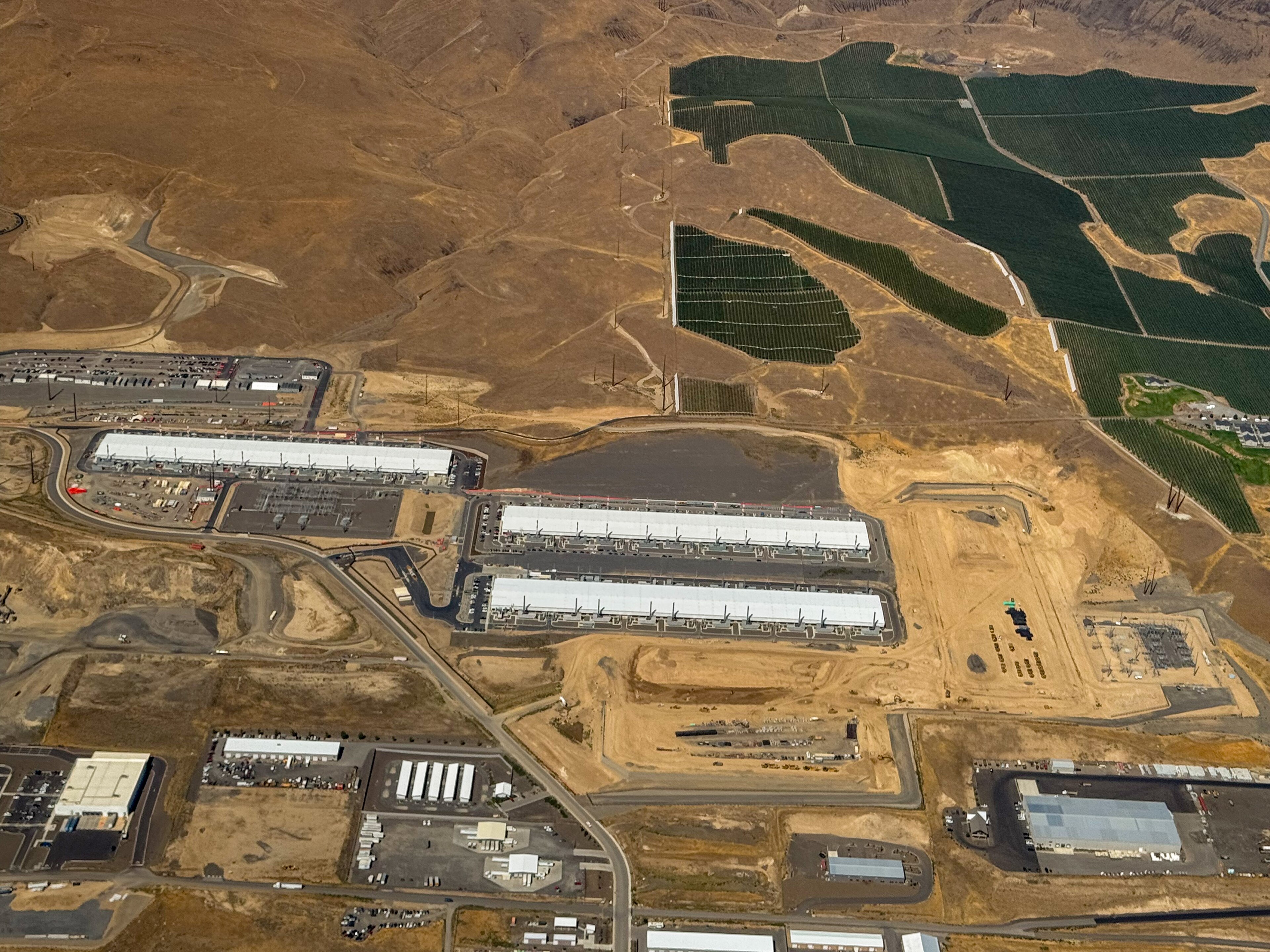

Microsoft booked $45.2 billion of capex against a target near $50 billion
ComparedWhat does demand look like behind the delay?
Satya Nadella, Microsoft's chairman and chief executive, counted the build in sites. "Accelerating demand led to us adding 24 new data centers across 5 continents this quarter," he said. Twenty-four sites in 13 weeks is almost two a week. The delay sits on top of a build that kept opening buildings, which suggests that the late capacity was ordered on top of what Microsoft's own sites could supply.
Management reported a gap between demand and supply. It said demand for Azure still exceeds available supply, and guided Azure growth to 49 to 50 percent in constant currency for the December quarter 3. The release shows the order book behind that guidance: commercial remaining performance obligation, the revenue Microsoft has contracted and has yet to recognize, rose 73 percent to $677 billion 1. Management put its weighted average duration at 2.3 years.
Bernstein reads the quarter the same way. The firm wrote that "capital expenditures were lower than expected due to delays in capacity additions" and expects Azure efficiency gains to lift margins in future years 4. Bernstein raised its price target to $722 from $662 on the report.
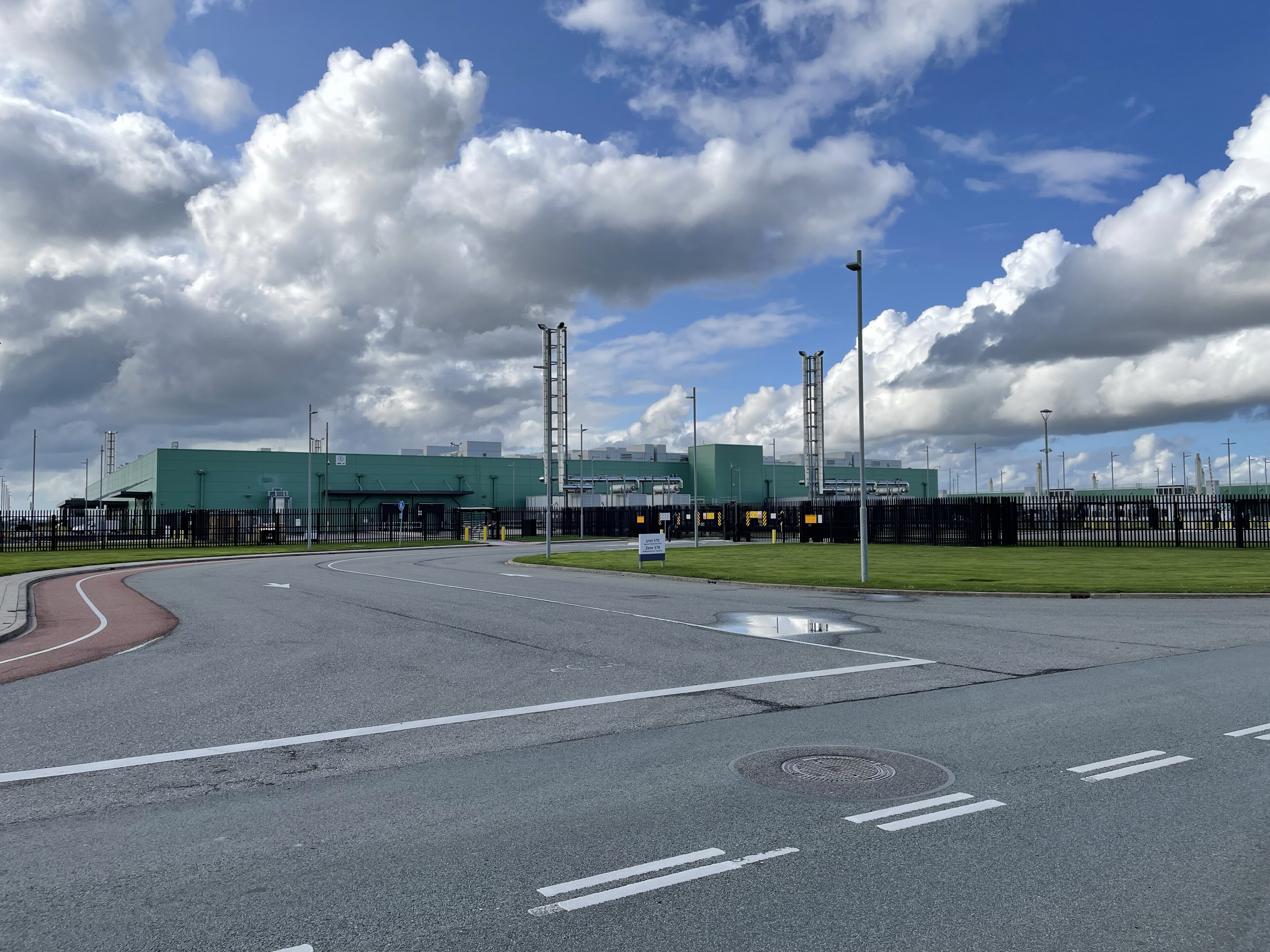

Commercial backlog reached $677 billion, up 73 percent in a year
The numberThe data1 row · sources
| Measure | Value | Source |
|---|---|---|
| Microsoft commercial remaining performance obligation, Sept. 30, 2026, up 73 percent | 677 billions of dollars | [1] |
Does the cash flow cover the bill?
Liz Ann Sonders, a strategist at Charles Schwab, wrote the pre-earnings case against comfort. "Worries about how AI buildout will be financed remain main drag on equities, particularly visible among hyperscalers," she wrote 6. Her verb is "remain," which dates the worry before Microsoft reported, and her noun is "financed," which asks where the money comes from rather than whether customers exist.
Microsoft's own figures answer part of that. Operating cash flow rose to $58.0 billion from $45.1 billion, and subtracting the $39.4 billion of cash capex leaves free cash flow of $18.6 billion 2. That match with Hood's reported free cash flow supports the arithmetic. Cash and short-term investments fell to $64.5 billion from $76.8 billion on June 30, while the company returned $10.2 billion to shareholders 3.
The trend carries the doubt. XTB calculates that free cash flow covered 51 percent of net income against 92 percent a year earlier 5. Gian Estrada of Yahoo Finance adds that Microsoft held $329.1 billion of leases on June 30 that had yet to start, most of them data centers beginning between fiscal 2027 and 2033 6. Tal Liani, an analyst at Bank of America, put the financing question to Hood directly: "How do you intend to raise capital if need be?" Management expects to remain free cash flow positive in fiscal 2027 and will use leasing or debt markets when they look attractive 3.
Wayne Cole of Global Banking & Finance reports the market's verdict: Microsoft shares rose about 2.9 percent after hours, while Alphabet fell about 10 percent, and investors "rewarded those able to fund their own capex" 7. Microsoft passed the funding test this quarter. The leases and the rising capex line set up the next one.
Amy Hood ties spend to delays; Liz Ann Sonders ties equities to financing
Both sidesThe data2 rows · sources
What does Hood's own guidance say about the delay?
Hood placed the delay inside a full-year number. "Therefore, for the calendar year, spend should be approximately $170 billion due to the 3P capacity delays noted earlier," she said 3. She guided December-quarter capex above $50 billion and said spending accelerates in the second half of the fiscal year, driven first by CPUs. That sequence treats the $4.8 billion as deferred, and it ties the year's size to when outside providers deliver.
Hood's phrasing holds the opposing risk too. A full-year figure that depends on "3P" schedules can slip again, and each slip moves delivered compute further from the contracted backlog. Microsoft's release states the capacity added in sites and dollars, and omits megawatts, so the ledger reads deliveries through spending and Nadella's site count, both indirect.
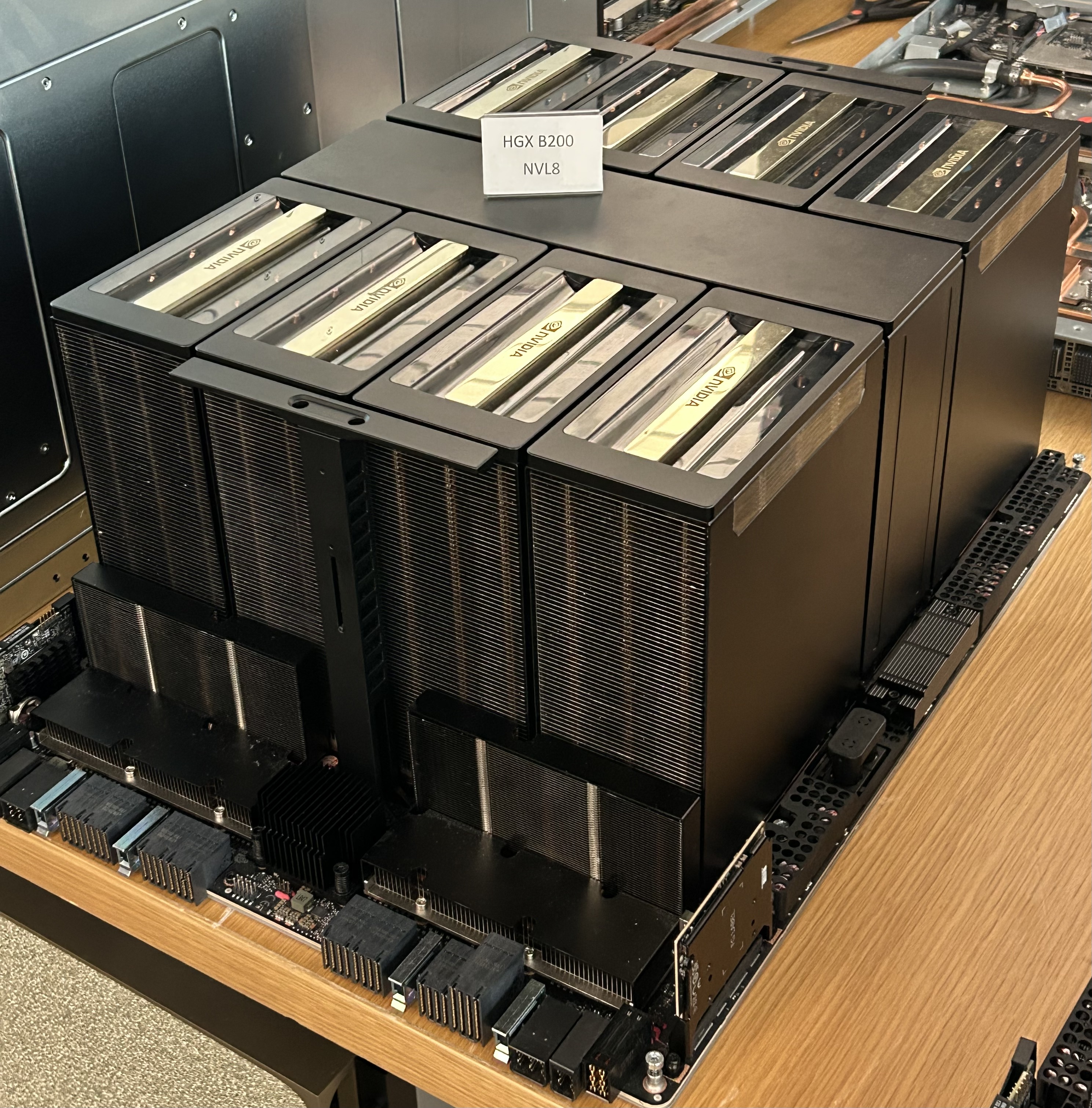

Why does the step stop at 0.3?
The compute component asks whether frontier capacity is being built, energized and used at scale. A reported delay of capacity that was expected earns a step down in that component. The step is the floor of the reported band, 0.3, because four facts in the filing and the call cut against a larger move.
First, Azure grew 48 percent and the guide for the next quarter is higher 3. Second, 24 data centers opened in the quarter. Third, the backlog rose 73 percent to $677 billion 1. Fourth, guidance puts the next quarter above $50 billion, which returns the deferred spending to the books. Commercial bookings fell 12 percent, and Hood tied part of that to large Azure commitments signed in the prior year. That drop is the strongest fact against the claim that supply alone limits Microsoft, and the 73 percent backlog increase is the answer: contracted revenue is rising even as new bookings ease.
Each side would need something to be true. Hood's side needs the December quarter to print above $50 billion, which proves the delay was timing. Sonders' side needs a quarter where outside providers deliver and free cash flow still shrinks, which proves the buildout outruns the cash that funds it. The verdict is a small step down, sized by a CFO's own report of a late delivery, and the action for a reader is to check the December capex line against $50 billion.
What Microsoft's filing and call show, and what rests on Hood's word
The recordThe data8 rows · sources
| Column | Item | Source |
|---|---|---|
| On the record | Azure revenue grew 48 percent in the quarter | [1] |
| On the record | Commercial backlog reached $677 billion, up 73 percent | [1] |
| On the record | Cash paid for property and equipment was $39.4 billion | [2] |
| On the record | Operating cash flow was $58.0 billion | [2] |
| Claimed or open | Third-party deliveries slipped, by the CFO's account | [3] |
| Claimed or open | The outside providers stay unnamed | [3] |
| Claimed or open | About $170 billion for the year depends on deliveries | [3] |
| Claimed or open | Commercial bookings fell 12 percent | [3] |
By the numbers
- Capital expenditures reached $45.2 billion in the quarter ended Sept. 30, 2026 3.
- Cash paid for property and equipment was $39.4 billion, up from $19.4 billion a year earlier 2.
- Azure revenue grew 48 percent, and Hood guided the December quarter to 49 to 50 percent in constant currency 1.
- Commercial remaining performance obligation rose 73 percent to $677 billion 1.
- Free cash flow came to $18.6 billion, which is operating cash flow of $58.0 billion less cash capex 2.
- Coverage of net income by free cash flow fell to 51 percent from 92 percent a year earlier 5.
- A year of capex near $170 billion is Hood's calendar-year figure, tied to the third-party delays 3.
- Roughly three-quarters of the quarter's capex went to CPUs, GPUs and other short-lived assets 3.
What to watch
The December-quarter capex line, due in Microsoft's next report, is the test: a figure above $50 billion confirms the delay as timing, and a second shortfall points to outside providers that miss their delivery dates. Hood's second-half acceleration in CPUs gives a second checkpoint, and the 10-Q lease schedule shows how many leases start and when. Free cash flow below $18.6 billion in a quarter with higher capex would confirm Sonders' financing concern.
Sources
- 1Microsoft FY27 Q1 results, quarter ended September 30, 2026, Microsoft Investor Relations, Microsoft Corp., Oct. 28, 2026
- 2Microsoft Corp, Form 10-Q for the quarter ended September 30, 2026, SEC EDGAR, Microsoft Corp., Oct. 28, 2026
- 3Microsoft (MSFT) Q1 2027 Earnings Call Transcript, The Motley Fool, Motley Fool Transcribing, Oct. 29, 2026
- 4Microsoft's Azure Efficiencies Could Boost Margins Despite Capacity Delays, Bernstein Says, Stocktwits, Arnab Paul, Oct. 29, 2026
- 5Microsoft earnings: Cloud growth overshadows CAPEX & FCF questions, XTB, XTB Research, Oct. 28, 2026
- 6Microsoft Reports October 28 With Hyperscalers Down a Quarter Since May. Cash Flow Is the Test, Yahoo Finance, Gian Estrada, Oct. 27, 2026
- 7Morning Bid: In the AI alphabet, cash is king, Global Banking & Finance Review, Wayne Cole, Oct. 29, 2026