Meta Publishes Prometheus and Puts Its Finished Size at 1 Million GPUs
Four Meta engineers described the Prometheus supercluster in New Albany, Ohio on Oct. 19, 2026: hundreds of thousands of GPUs today, roughly 1 million at full scale, and an interruption rate still above Meta's own target.
By Ryan Elliott Dennis · 5 sources · 7 min read
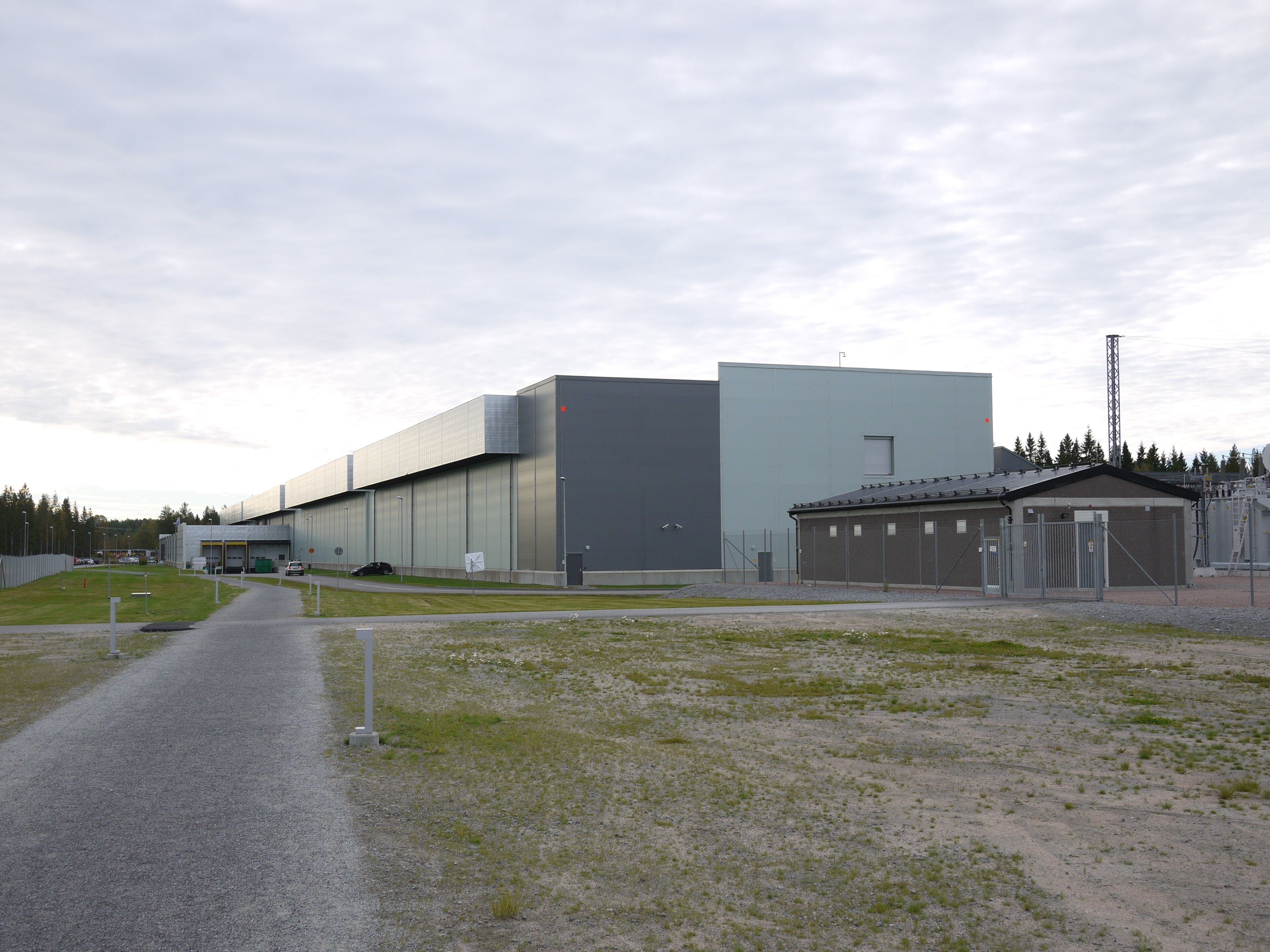
Four Meta engineers, Kevin Lee, Yashar Bayani, Ahmed Sharif and Yee Jiun Song, published the first full account of the Prometheus supercluster on Oct. 19, 2026, and put its finished size at roughly 1 million GPUs 1. Hundreds of thousands run today in New Albany, Ohio. Phase one is complete and trained the Muse models, Muse Wonder among them. The post also hands outsiders a yardstick: Meta's engineers report 47,000 GPU hours between interruptions, against a target of 100,000.
Meta's Oct. 19 post lifts fabric 0.4 points
The moveThe data5 rows · sources
| Measure | Value |
|---|---|
| Reading before this day | 3.0 |
| This piece's move | +0.4 (Fabric, reported) |
| Band for reported evidence | 0.3 to 0.8 |
| Reading after the day | 3.4 |
| Distance to 100 | 96.6 |
What did Meta's engineers put on the record?
Prometheus links buildings rather than filling one hall. The post lists traditional data center halls, AI-optimized buildings and rapid deployment structures, and says the Ohio site ran web traffic two years ago 1. A 32,768-GPU training run provisions 523 NVL72 racks, which hold 37,656 GPUs. The post calls that margin "about 13%," and the rack count gives 15 percent by this desk's arithmetic.
Three rack generations appear. Catalina holds 72 Nvidia GB200 GPUs across two racks, Clemente holds 72 GB300 GPUs in one rack at about 135 kilowatts, and San Miguel, a Vera Rubin rack drawing over 170 kilowatts, arrives later with its date left open. Each GPU carries a 1,400-watt load.
Two reliability terms matter here. Goodput is the share of paid GPU time that moves a training run forward. MTBI, mean time between interruptions, counts GPU hours between job stops. Meta reports pre-training goodput above 85 percent and reinforcement-learning goodput above 90 percent on the Muse Wonder runs, with MTBI near 47,000 GPU hours and later above 54,000 after firmware fixes. Interruptions peaked near 1,000 events per 8,000 GPUs per day in mid-2025, and Meta reports a 99 percent reduction since.
Translate that to an 8,000-GPU block. At 47,000 GPU hours, the block stops about every six hours, or four times a day, by this desk's arithmetic. The target in the post reads "Our reliability north star remains two interruptions per 8K GPUs per day, which is ~100k GPU hours MTBI," which means a stop every twelve and a half hours. Meta is at roughly half the target.
One more number deserves a second look. GamesBeat reported on Sept. 23 that Meta had cut interruptions by a factor of 50, from a presentation by Santosh Janardhan, Meta's head of infrastructure, at the AI Infra Summit 2. A 99 percent reduction is a factor of 100. Either the improvement doubled in four weeks or the two figures measure different things, and Meta's post leaves the question open.

What Meta's post documents, and what stays on its word
The recordThe data7 rows · sources
| Column | Item | Source |
|---|---|---|
| On the record | Phase one is complete and trained the Muse models | [1] |
| On the record | Building fabrics join over 2 km to 100 km through the BAG network | [1] |
| On the record | Pre-training goodput above 85 percent, reinforcement learning above 90 percent | [1] |
| Claimed or open | Roughly 1 million GPUs at full scale, undated | [1] |
| Claimed or open | Every figure is Meta's own; outside parties have yet to measure it | [1] |
| Claimed or open | Vera Rubin San Miguel racks arrive on a date the post leaves open | [1] |
| Claimed or open | A fourth gas plant is under review for the New Albany site | [4] |
How does a campus of buildings act as one machine?
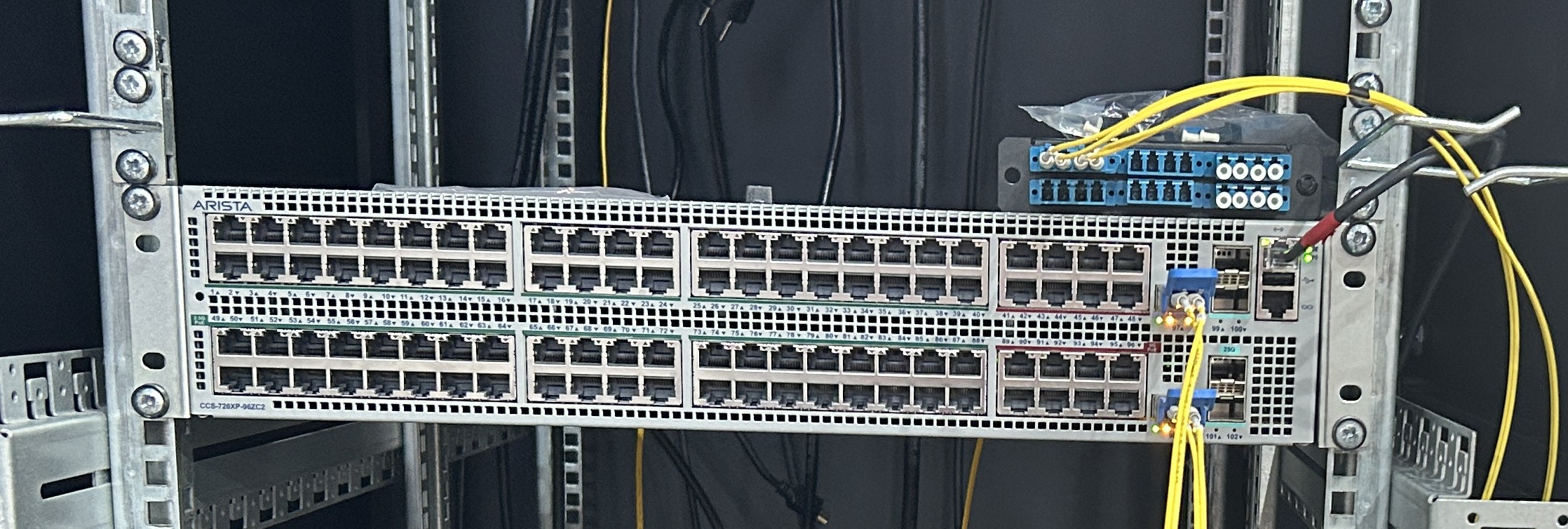
Each building fabric is Ethernet and connects up to 20,736 GPUs 1. A cluster of 1 million GPUs therefore needs the buildings joined to each other, and the post names the joining layer: Backend Aggregation, or BAG. It spans 2 kilometres to more than 100 kilometres, runs on Arista 7800-series chassis with Broadcom Jericho3 silicon, and carries multiple petabits per second per region pair. Links beyond about 10 kilometres use 800G-ZR coherent optics. That is the fabric component of the ledger in one paragraph: the network that lets separate buildings train one model.
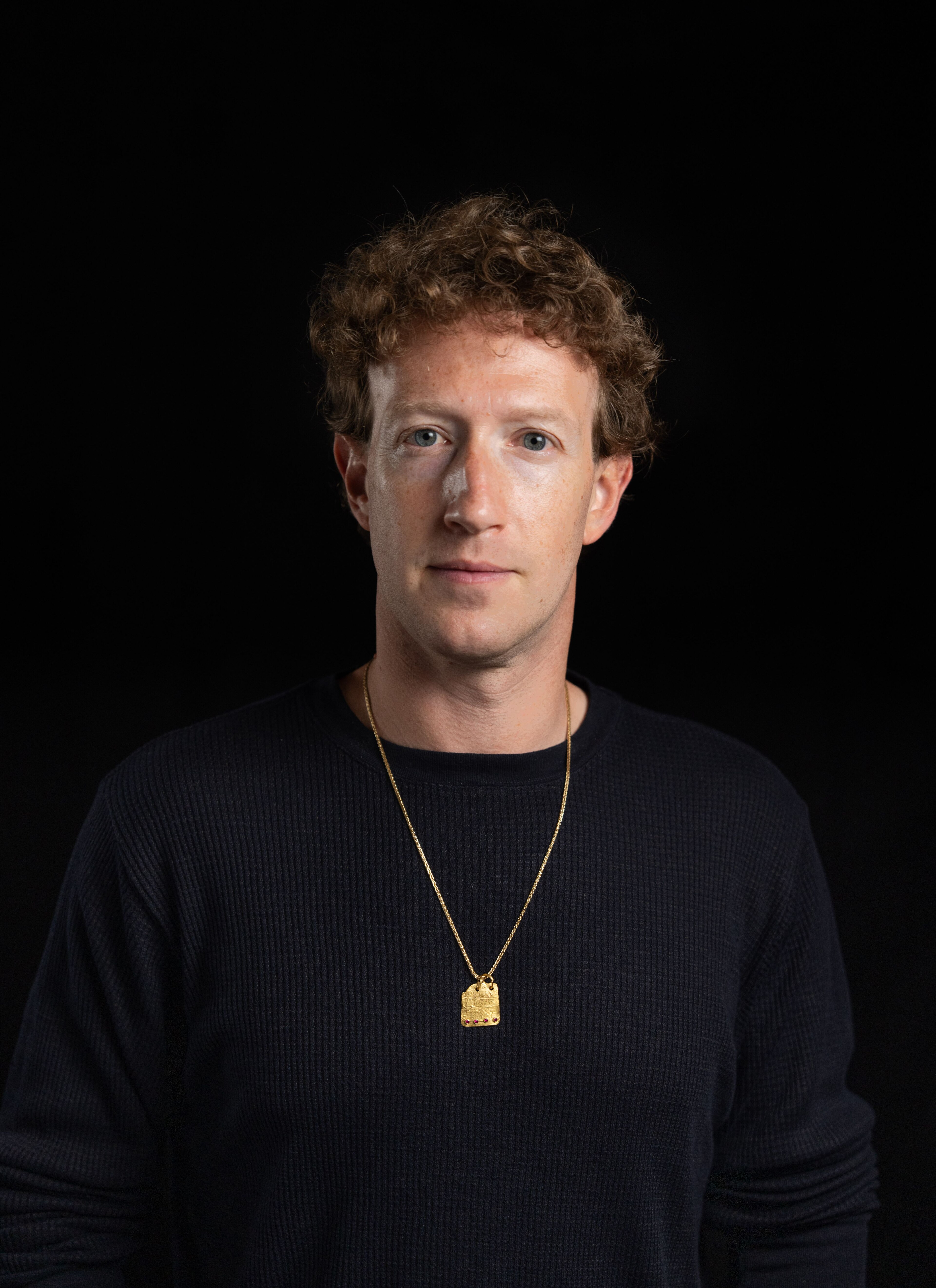
GamesBeat's account of the same campus adds the geometry. Buildings sit three to five kilometres apart, the campus holds 30 to 40 or more of them, and tents rated at 30 megawatts each cut deployment time by 70 to 80 percent 2. Meta built it while running jobs on it. Mark Zuckerberg set the schedule on Facebook on July 14, 2025: "We're calling the first one Prometheus and it's coming online in '26." 3 The post dated Oct. 19 is the delivery receipt, and it arrives inside the year he named.
Power is where the physical record is thinner. Measured AI counted more than 500 megawatts of AI compute installed in May, a gas plant named Socrates South at about 307.5 megawatts nameplate and capped at 200, and interim AEP Ohio grid service of up to 250 megawatts through Dec. 31, 2028 5. Added together, that is 450 megawatts of identified supply against a campus labelled 1 gigawatt.

From Zuckerberg's promise to the engineering post
TimelineWho argues for the scale, and who argues for caution?
Zuckerberg made the case for scale in the same Facebook post. "We're also going to invest hundreds of billions of dollars into compute to build superintelligence," he wrote 3. Read for its verb, the sentence promises spending and leaves the output, a measured capability, for later. Janardhan used the same ambition for the next campus in September. "We think it's the biggest data center ever constructed on the planet," he said of Hyperion in Louisiana 2.
Cathy Cowan Becker, who speaks against fracking, made the caution case at the Ohio Power Siting Board hearing on Oct. 7. The board was reviewing a proposed fourth gas plant for the 740-acre New Albany International Business Park, where three approved plants would consume more than 650 megawatts combined 4. "So what I would say to Meta is you should be using renewable energy for this," Becker said. Her sentence addresses Meta directly, and Spectrum News reported that Meta had yet to respond to its request for comment. A second public hearing is set for Oct. 22.
Amin Vahdat, Google's chief technologist for AI and infrastructure, supplied the engineering version of her point, as Measured AI quotes him: "In today's data centers, power, not just chip supply, is a binding constraint." 5 Google's Central Ohio campus sits across Beech Road from Prometheus, so the remark comes from a neighbour with the same utility.
Both sides can be right. Meta's engineers show the network and the software work at a scale few have published. Becker's point is that the electricity still comes from combustion.

Mark Zuckerberg sees spending; Cathy Cowan Becker wants renewables
Both sidesWhy does the step stop at 0.4?
Reported evidence earns a step between 0.3 and 0.8. Meta's post is a first-party engineering account with measured goodput, which supports the middle of that band for fabric. Four facts hold it near the floor.
First, every figure belongs to Meta. Outside parties have yet to measure Prometheus goodput or MTBI, and the method rewards an outsider's measurement over a company's own. Second, 1 million GPUs is a plan, and the post leaves its date open. At 1,400 watts each, 1 million GPUs draw 1.4 gigawatts from the GPUs alone, by this desk's arithmetic, before cooling and networking. That exceeds the 1-gigawatt label on the campus.
Third, reliability sits at half of target. A cluster that stops four times a day per 8,000 GPUs spends part of each day recovering, and the 85 percent goodput figure shows the cost: fifteen cents of every paid GPU dollar buys idle time. Fourth, the fabric result applies to the Muse Wonder runs on one campus. Hyperion, the Louisiana site, adds evidence only when it runs.
Zuckerberg is right if the Prometheus scale-up reaches 1 million GPUs inside the same power envelope that the Ohio regulators are still reviewing. Becker is right if the gas plants remain the binding constraint. The reading moves from 3.0 to 3.4 on this piece alone, and fabric rises from 0.0 to 0.4.
Prometheus runs at half of Meta's reliability target
ComparedBy the numbers
- 1 million GPUs: Prometheus at full scale, against hundreds of thousands today, per Meta's Oct. 19 post 1.
- 47,000 to 54,000 GPU hours: MTBI on the Muse Wonder runs, against a target of about 100,000 1.
- Above 85 percent and above 90 percent: pre-training and reinforcement-learning goodput 1.
- 20,736 GPUs: the most one building fabric connects, before BAG joins buildings across 2 to 100 kilometres 1.
- 200 megawatts: the Socrates South output cap, with up to 250 megawatts of AEP Ohio interim grid service through 2028 5.
- More than 650 megawatts: combined draw of three approved gas plants at the New Albany business park 4.
- 1,400 watts: the load on each GPU in the cluster 1.
What to watch
An outside measurement of Prometheus goodput or MTBI would confirm the fabric step, and a quarterly figure near the 100,000-hour target would raise it. The Ohio Power Siting Board's decision on the fourth gas plant, after the Oct. 22 hearing, will show whether the power for the next building arrives on schedule. Meta's Vera Rubin San Miguel racks need a date, and a GPU count for the full campus would turn "hundreds of thousands" into a figure the ledger can test. A reversal would arrive as a delayed permit or a post that reports MTBI falling.
Sources
- 1Inside Prometheus: Meta's Journey to a Gigawatt-Scale Supercluster, Engineering at Meta, Kevin Lee, Yashar Bayani, Ahmed Sharif, Yee Jiun Song, Oct. 19, 2026
- 2How Meta built a 1GW data center in Ohio and is planning for a 5GW data center in Louisiana, GamesBeat, Dean Takahashi, Sept. 23, 2026
- 3Meta reveals plan for several multi-gigawatt datacenter clusters, The Register, Simon Sharwood, July 15, 2025
- 4Ohio board hears concerns over proposed New Albany data center power plant, Spectrum News 1, Sabriel Metcalf, Oct. 7, 2026
- 5Meta's Prometheus and Google's Central Ohio AI Cluster: Rivals Across the Road, Measured AI, Corey Trinetti, May 20, 2026