Anthropic's S-1 Lists $637 Billion in Compute Contracts Against $132B in Cash
Anthropic's Oct. 26 S-1 names seven compute contracts worth $637 billion beside $131.7 billion in cash, and Susannah Streeter doubts that IPO buyers will keep paying for growth.
By Ryan Elliott Dennis · 5 sources · 7 min read
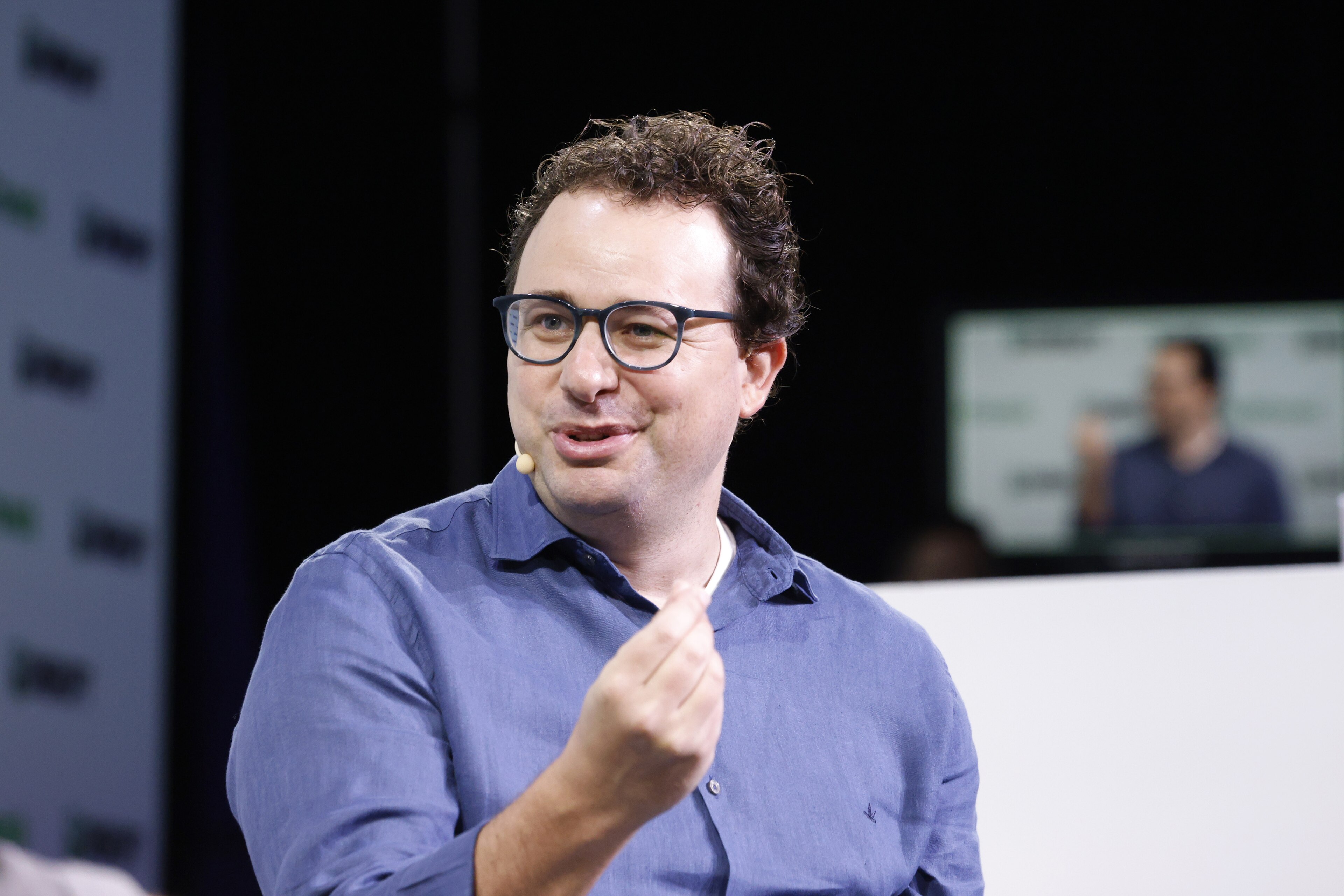
Anthropic, PBC filed its Form S-1 with the SEC on Oct. 26, 2026, and the filing prints what the company has promised to pay for computing power: at least $44.9 billion to Microsoft, about $114.5 billion to Google, $110.0 billion to Amazon, up to $120.5 billion to SpaceXAI, $161.2 billion in Broadcom equipment rent, up to $44.6 billion to Nscale and about $41.3 billion to Lambda 1. Those seven lines sum to $637.0 billion by this desk's arithmetic. Cash and short-term investments stood at $131.7 billion on June 30.
Anthropic's S-1 adds 0.5 points to capital
The moveThe data5 rows · sources
| Measure | Value |
|---|---|
| Reading before this day | 3.7 |
| This piece's move | +0.5 (Capital, confirmed) |
| Band for confirmed evidence | 0.8 to 1.5 |
| Reading after the day (with 1 other piece that day) | 4.6 |
| Distance to 100 | 95.4 |
What does the S-1 list that earlier reports could only estimate?
Before Oct. 26, outlets rebuilt the commitments from a leaked draft. Let's Data Science, summarizing Reuters' reporting on that draft, put the minimum at $518 billion over a decade 5. Fortune now reports $542 billion to $567 billion, with some tallies of the S-1 above $750 billion 2. Implicator reports about $265.6 billion in fixed or minimum-guaranteed commitments as of June 30, on terms of one to 20 years 3. Three outlets, three totals.
The filing explains the spread. Its contractual-obligations table prints blanks where the totals go, so each outlet counted for itself 1. The agreements themselves read plainly. Microsoft holds a commitment of at least $44.9 billion between November 2026 and May 2033, "regardless of actual usage." Google holds about $114.5 billion between April 2026 and July 2033, and Amazon holds $110.0 billion between May 2026 and April 2036. Both of those carry a true-up: if Anthropic spends less, it pays the difference.
Four more lines carry the physical build. SpaceXAI supplies Nvidia GPU compute at about $3.1 billion a month once all capacity is delivered, which Anthropic expects in December 2026. Broadcom leases TPU-based hardware over five-year terms, and part of that capacity came online in 2026. Nscale and Lambda supply Nvidia GPU capacity, with fees accruing as capacity is delivered. Two more arrangements sit outside the $637.0 billion because the filing leaves their dollar amount open: AMD Helios racks that Anthropic expects to cost more than $20.0 billion, and additional TPU compute for 2028 to 2031 that the filing estimates at $125.0 billion to $150.0 billion.
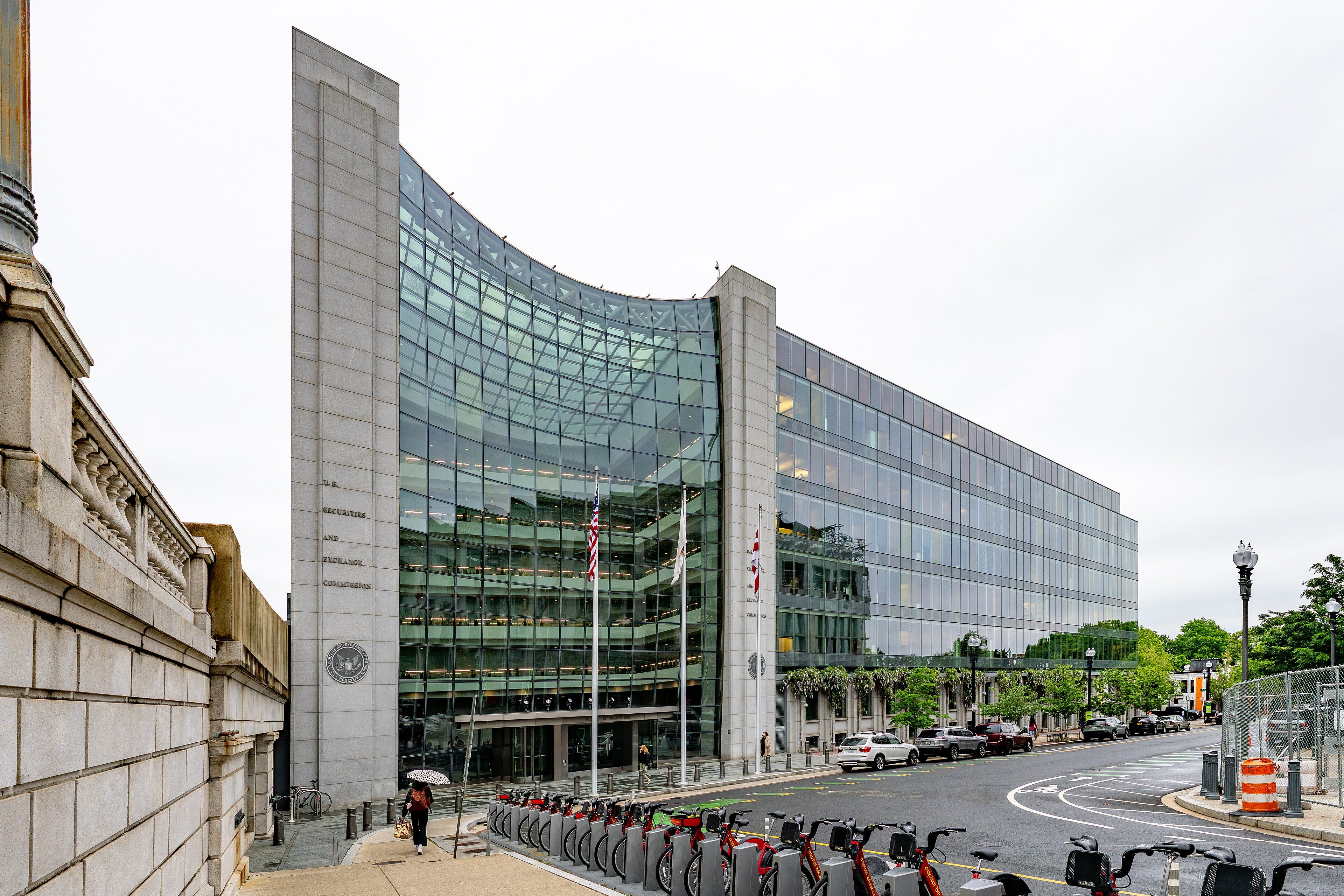

Seven compute agreements in Anthropic's S-1 sum to $637.0 billion
ComparedFour counts of the same commitments run from $265.6 billion to $637.0 billion
ComparedHow large is $637 billion beside $132 billion in cash?
The ratio is 4.8 to 1. Payments stretch to 2036, so the comparison overstates the strain in any single year, and the comparison also leaves out the cash that revenue adds each quarter. Still, the ratio frames the question that IPO buyers will ask on the roadshow. Anthropic put its own answer on the page: "Our existing commitments are substantial, and we expect our capital expenditures to increase significantly as we continue to expand our compute and infrastructure build-out." 1
Read the sentence for what it omits. It calls the commitments "existing," which marks the $637.0 billion as a starting position. The verb "expect" points to more spending, and the AMD and TPU lines above show where $145 billion to $170 billion of it already waits. Anthropic lists a bill of this size and then promises a larger one, which tells investors the buildout leads and the revenue follows.
What can pay for it? Anthropic reports first-half 2026 revenue of $16.3 billion, up from $1.2 billion a year earlier, an operating loss of $693 million and an adjusted operating income of $1.6 billion 1. Compute and infrastructure expenses rose $6.6 billion, or 283 percent, in the half. Implicator adds that Anthropic is seeking to raise as much as $100 billion, according to people familiar with the matter, and that third-quarter revenue reached $16.8 billion 3. Adding the $100 billion to June 30 cash gives $231.7 billion, which still leaves the named contracts at 2.7 times the pool.
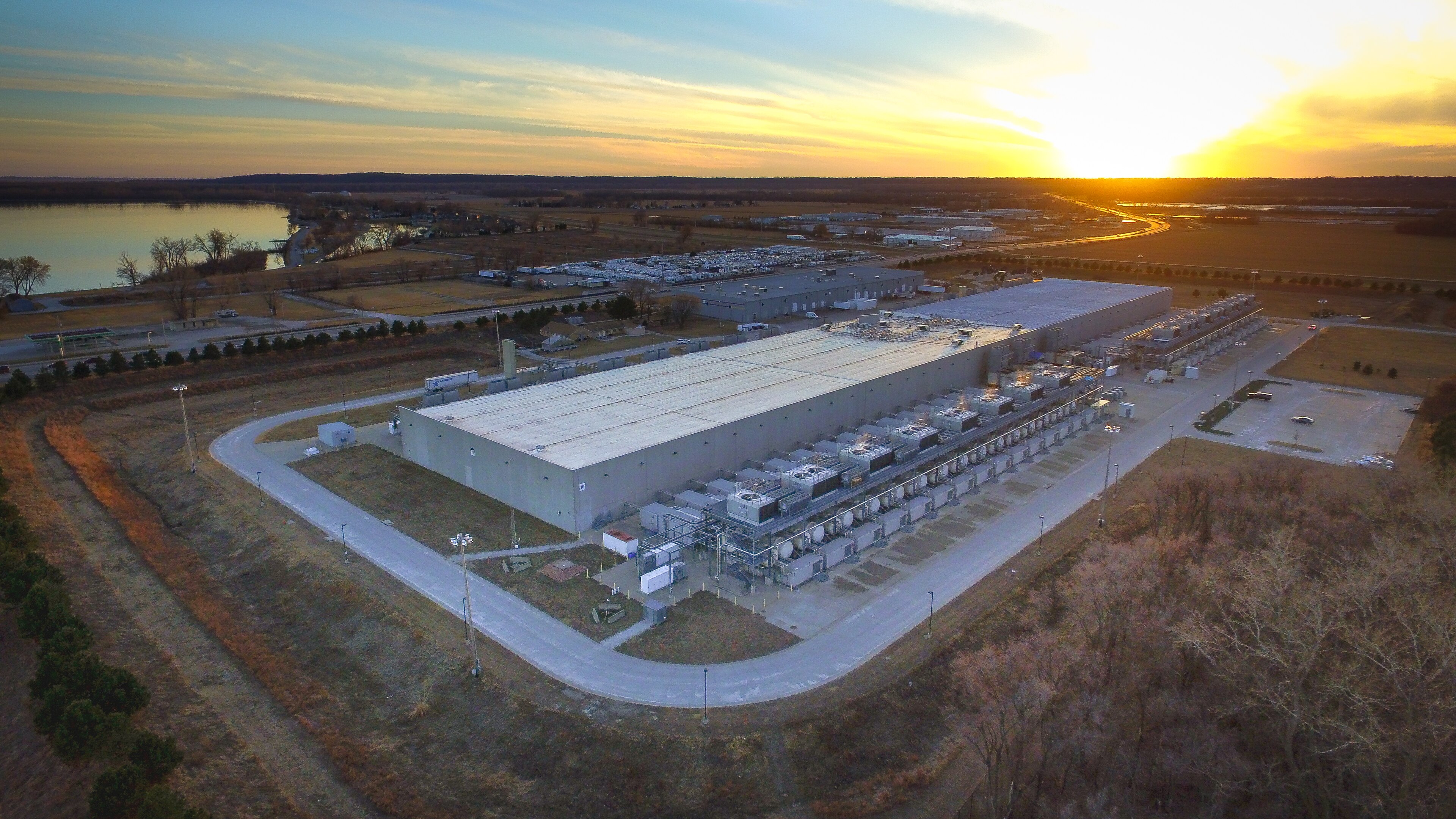

Named compute contracts run 4.8 times Anthropic's June 30 cash
The numberThe data1 row · sources
| Measure | Value | Source |
|---|---|---|
| Named compute contracts divided by cash and short-term investments, June 30, 2026 | 4.8 times | [1] |
Who sits on both sides of Anthropic's biggest contracts?
Fortune reports that the cloud marketplaces of Amazon, Google and Microsoft supplied 48 percent of Anthropic's first-half revenue and 58 percent of its net receivables 2. Those same three firms hold $269.4 billion of the named commitments: $44.9 billion, $114.5 billion and $110.0 billion. That is 42 percent of the $637.0 billion. Google's share rises further through the Broadcom leases, which supply TPU capacity 1.
So the customers who sell Claude to enterprises are also the suppliers who must be paid for the computing that runs it. Money enters through three channels and leaves through the same three. Fortune also lists the top five customers at about 25 percent of revenue over the first nine months of 2026, and one unnamed customer at 11 percent of first-half revenue 2. A buyer that cut its spending would change both sides of the ledger at once.
Daniela Amodei, Anthropic's president, and Dario Amodei, its chief executive, lead Anthropic, whose filing gives the seven co-founders 50.1 percent of the voting power 2. The founders hold control while the clouds hold the contracts and the revenue channel. Investors in the offering buy economic exposure to both.

Does revenue growth make the contracts safe?
Anthropic's side has a strong number. Revenue grew thirteenfold in a year, and compute costs fell as a share of revenue while the company took delivery of committed capacity 1. If the third-quarter pace of $16.8 billion holds, the year-end pace passes $67 billion annually 3. At that rate the Microsoft, Google and Amazon lines, which run seven to ten years, are ordinary supplier terms.
Susannah Streeter, chief investment strategist at Wealth Club, makes the other case. "A huge pool of private capital has allowed AI businesses to scale up and command extraordinary valuations," she told The Register 4. Her argument is that IPO buyers will pay for growth that has yet to produce sustained profits. Carly Page of The Register adds that whether the adjusted profit can last "is another matter," since infrastructure costs could outpace the business. The word "private" in Streeter's sentence matters: private investors priced Anthropic at $965 billion in May, and public investors set their own price in November.
Sinan Aral of MIT Sloan puts a number on the gap. Some investors now value Anthropic at about $1.5 trillion, down from about $2 trillion once expected, and Aral said: "that's approximately from the low to high end a 22 times to 30 times revenue multiple" 3. A multiple of 22 or higher, applied to Anthropic and its $637.0 billion in firm bills, leaves little room for a revenue miss.
One contract shows how Anthropic hedged. Each SpaceXAI agreement can be cancelled by either party on 90 days' notice once its initial period ends in January 2027 or March 2027 1. The $120.5 billion is 18.9 percent of the named total, so the remaining 81 percent is firm, apart from breach and undelivered-tranche exceptions. LDS reached a similar share, about 80 percent, from the leaked draft 5. The Nscale and Lambda lines depend on those partners securing financing and a facility lease, which ties them to each partner's financing and leaves that part of the risk with Anthropic's partners.
Anthropic's filing against Susannah Streeter's view of IPO buyers
Both sidesThe data2 rows · sources
| Side | Who | Claim | Source |
|---|---|---|---|
| For | Anthropic | Existing commitments are substantial, and capital expenditures are expected to increase significantly as the compute and infrastructure build-out expands. | [1] |
| Against | Susannah Streeter | Private capital has let AI businesses command extraordinary valuations, and IPO buyers will pay for growth that has yet to produce sustained profits. | [4] |
Why does the step stop at 0.5?
The capital component asks whether committed, closed financing pays for the buildout. An SEC filing earns the confirmed label for the contracts, and the filing prints the cash that backs the first years of them. That evidence supports a step up. The band for confirmed evidence starts at 0.8, and four facts hold the step to 0.5.
First, the offering awaits a price and a share count, and Implicator puts marketing in the week of Nov. 9 and trading in the week of Nov. 16 3. A raise that has yet to close is financing in prospect. Second, the commitments table prints blank totals, and three outlets disagree on the sum 2. Third, the contracts exceed cash by 4.8 times, and the concentration among three clouds ties revenue and payments together. Fourth, Streeter and Aral both point to valuation as the pressure point.
What would each side need to be true? Anthropic needs the offering to price near $1.5 trillion and raise something close to $100 billion, so that cash and revenue together cover the first three years of payments. Streeter's side needs a priced deal below that mark or a quarter in which revenue growth slows while Broadcom rent starts. The verdict is to credit the filing as the first dated, countable record of the bill, hold the step at 0.5, and wait for the price.
By the numbers
- Seven fixed-dollar compute agreements named in Anthropic's S-1 sum to $637.0 billion, by this desk's arithmetic 1.
- Cash of $112.4 billion plus short-term investments of $19.3 billion on June 30, 2026 1.
- Amazon, Google and Microsoft marketplaces carried 48 percent of Anthropic's first-half revenue, per Fortune 2.
- Rent on five-year Broadcom equipment leases for TPU-based compute totals $161.2 billion 1.
- SpaceXAI fees run roughly $3.1 billion a month once all capacity arrives, expected in December 2026 1.
- First-half 2026 revenue reached $16.3 billion, against $1.2 billion in the first half of 2025 1.
- A raise of up to $100 billion is what Anthropic is seeking, per people familiar with the matter 3.
What to watch
The amended S-1 with a price range and filled totals table would show the true sum and the cash after the raise. Marketing in the week of Nov. 9 and trading in the week of Nov. 16 are the reported marketing and trading windows 3. SpaceXAI's cancellation windows open in January 2027 and March 2027, and any exercise would show how firm the flexible tranche is. A priced offering well below $1.5 trillion, or a delay in Nscale's or Lambda's financing, would reverse the step.
Sources
- 1Anthropic, PBC, Form S-1 registration statement, SEC EDGAR, Anthropic, PBC, Oct. 26, 2026
- 2Anthropic's risk factors include the end of humanity, a feud with the Pentagon, and CEO Dario Amodei's reputation, Fortune, Beatrice Nolan, Oct. 26, 2026
- 3Anthropic Sells Its Fear of AI to Wall Street, Implicator.ai, Marcus Schuler, Oct. 26, 2026
- 4Trumpets blare and skies part as AI hypefest culminates in Anthropic IPO filing, The Register, Carly Page, Oct. 26, 2026
- 5Anthropic's IPO Prospectus Leaked. Nearly a Third of It Is Risk Factors., Let's Data Science, LDS Team, Sept. 30, 2026