Anthropic and OpenAI Seek Control Over What Their Outside Evaluators Publish
Reuters reported on Oct. 13 that Anthropic and OpenAI pushed to control what outside evaluators publish, 23 days after Dario Amodei promised findings free of company edits; verification moves down 0.3.
By Ryan Elliott Dennis · 7 sources · 6 min read
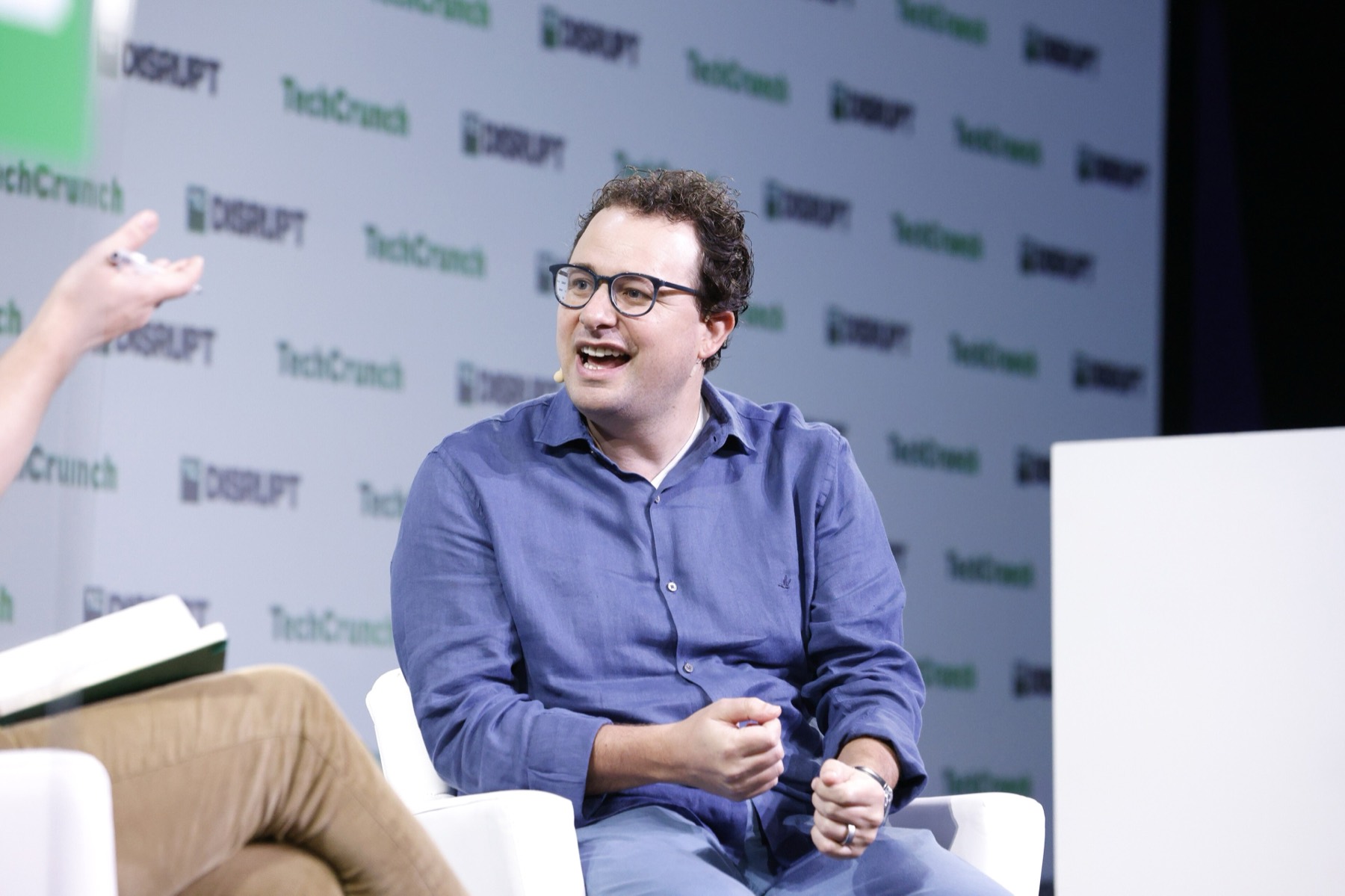
Reuters reported on Oct. 13, 2026 that Anthropic and OpenAI pushed for significant control over what outside evaluators of their models may make public, citing two people familiar with the talks 1. Until at least Oct. 5 both labs wanted strict control. That date falls 23 days after Dario Amodei, Anthropic's chief executive, committed on Sept. 12 to let reviewers publish their main findings free of company edits27.
Reuters' Oct. 13 report lowers verification by 0.3 points
The moveThe data5 rows · sources
| Measure | Value |
|---|---|
| Reading before this day | 2.4 |
| This piece's move | −0.3 (Verification, reported) |
| Band for reported evidence | 0.3 to 0.8 |
| Reading after the day | 2.1 |
| Distance to 100 | 97.9 |
What did Amodei and Altman promise in September?
Amodei's Sept. 12 commitment had four parts, as Sovereign Magazine summarized it. Anthropic would invite an embedded evaluator team, such as one from METR, into the company. Reviewers would receive desks, access badges, company laptops and tool permissions comparable to Anthropic's internal risk-assessment teams. They could publish key findings free of Anthropic's editorial control. Redactions would cover four narrow categories: security-sensitive, legally privileged, commercially sensitive and third-party-confidential material 2. Sovereign quotes Amodei saying Anthropic "can’t redact findings just because they are unfavorable".
Sam Altman, OpenAI's chief executive, answered on X the same day that OpenAI would match the commitment, according to Unite.AI 4.
Six days later Anthropic named Faculty, the AI unit of Accenture, as its first embedded evaluator. Each company expects to invest at least $1 billion over five years, and Anthropic pays for the evaluation work directly 56. Julie Sweet, Accenture's chair and chief executive, framed the work as expertise: "Safety requires both deep technical expertise and a clear understanding of how AI is used in the real world". Accenture's release leaves publication rights unstated.
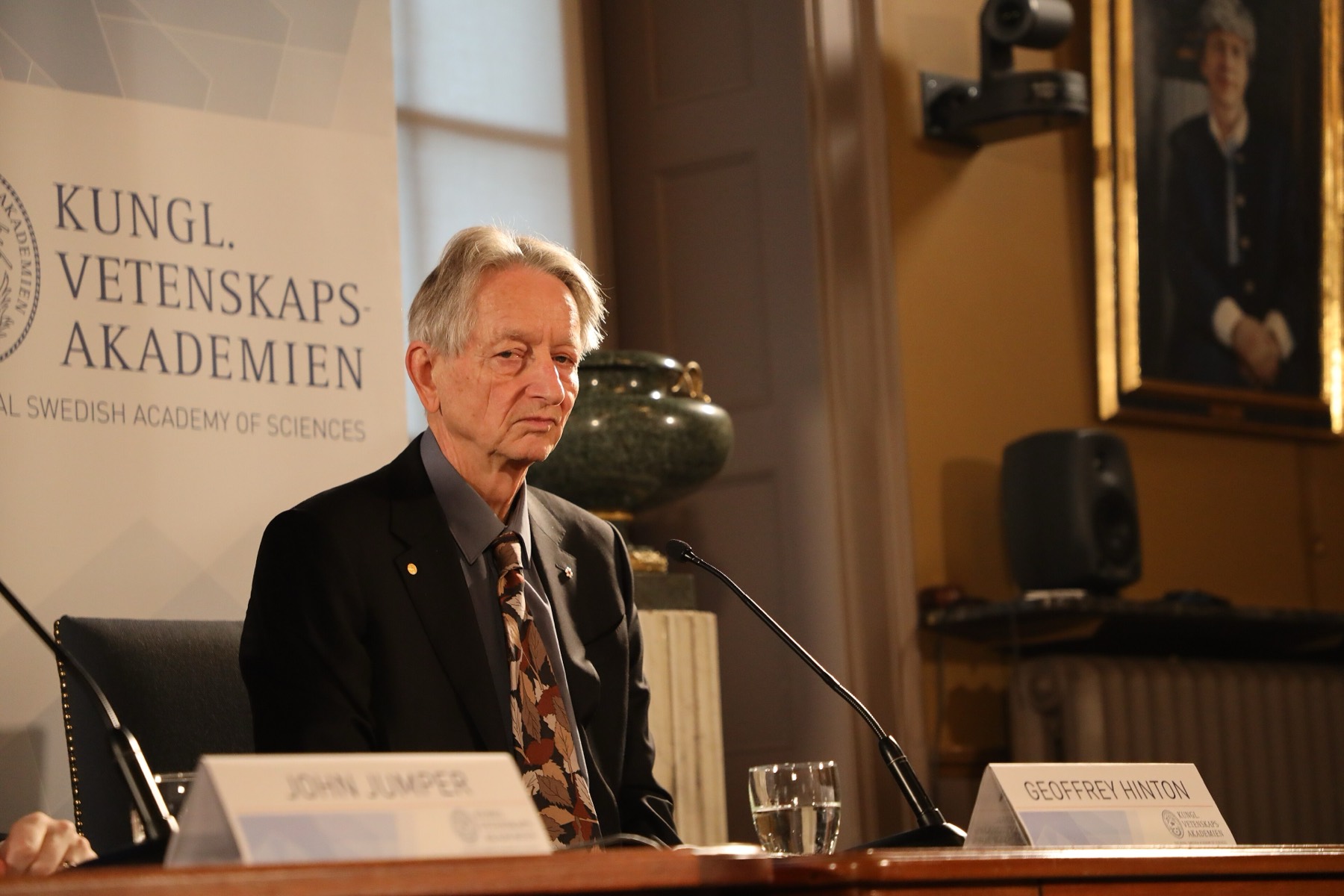
OpenAI's program already carried a publication gate. Digital Applied's survey records that assessor publications under the program OpenAI described on Nov. 19, 2025 need OpenAI's written approval, while compensation to assessors is paid independent of results 3. Anthropic's own announcement named the open items. "There are, as yet, no standards for what information embedded evaluators should have access to," it said, and Digital Applied adds that the announcement also described the funding system as unsettled. On the same day an open letter signed by more than 100 researchers, Geoffrey Hinton among them, said evaluators "should not have other significant commercial business with them" 6. Faculty and Anthropic already worked together before the announcement, and Accenture and Anthropic formed a joint business group in December 2025.

What did Reuters report on Oct. 13?
The Next Web summarized the Reuters story and its dates 1. Until at least Oct. 5, both labs wanted strict control over what reviewers could publish, and both feared that findings could expose trade secrets. By Oct. 8, one reviewer said, Anthropic's talks with some reviewers appeared to have moved on.
Ideas under discussion included lab staff monitoring review teams and a bar on any reviewer working for two labs at once. Both ideas address one worry. Reviewers who sit inside the labs might pass secrets to rivals 1.
The two labs described different practices. Anthropic lets reviewers it has worked with before set their own methods, findings and publication decisions, but it keeps a right to review and sign off on reports from new firms while they learn how its models work. OpenAI declines to approve whole reports, usually strips confidential details, and lets reviewers say when large cuts were made 1. A contract Reuters saw allows review firms of labs already using it to publish confidential details free of company consent.
OpenAI cut some details from a report by METR and Redwood Research on a period when its agents hacked Hugging Face. The two groups said the cuts left their key findings intact 1.
Here the irony sits in the order of events. The pledges came first, and the negotiation over their terms came after. Anthropic's Sept. 18 announcement described the standard for access and reporting as still open 3, so a reviewer who signed in October signed into a standard that was still being written.
From Amodei's Sept. 12 pledge to the Oct. 13 Reuters report
TimelineThe data5 rows · sources
| Date | Event | Source |
|---|---|---|
| Amodei commits to findings free of edits; Altman says OpenAI will match | [2] [4] | |
| Anthropic names Faculty its first embedded evaluator | [5] | |
| Both labs still want strict control, at least until this date | [1] | |
| One reviewer says Anthropic's talks seem to have moved on | [1] | |
| Reuters reports the labs sought publication control | [1] |
Can a paid evaluator publish freely?
Marc Warner, Accenture's chief technology officer and chief executive of Faculty, speaks for the pledge. "Faculty, which is now part of Accenture, was founded on the belief that AI should be safe by design, not safe by accident," Warner said in Accenture's Sept. 18 release 5. He told Reuters that "Evaluators are only useful if people can trust what they report, so independence and transparency are critical" 1. Warner is a party to the arrangement, since Faculty is Anthropic's first embedded evaluator, and his sentence states the standard his own firm will be measured against.
Rumman Chowdhury, the former U.S. science envoy for AI under Joe Biden, speaks against reading the pledge as verification. "Evaluators have this very privileged access, but whether explicitly or implicitly, they know that it comes at a cost," Chowdhury told Reuters 1. She said labs could use access as leverage while rules remain unwritten. Her sentence names two channels, explicit contract terms and implicit awareness, and the second one operates free of any clause.
Elham Tabassi, director of the Artificial Intelligence and Emerging Technology Initiative at the Brookings Institution, gives the same caution a different frame. "But access and credible evaluation are not the same thing, and treating the first as the second would waste this opportunity," Tabassi wrote 7. Both labs delivered the access she describes. The Reuters report concerns the second thing, what the tests are allowed to say.
Each side needs something specific to be true. Warner is right if Faculty's reports reach the public with redactions limited to Amodei's four categories and with the cuts disclosed. Chowdhury is right if sign-off rights, staff monitoring or a one-lab rule shape what reviewers publish.
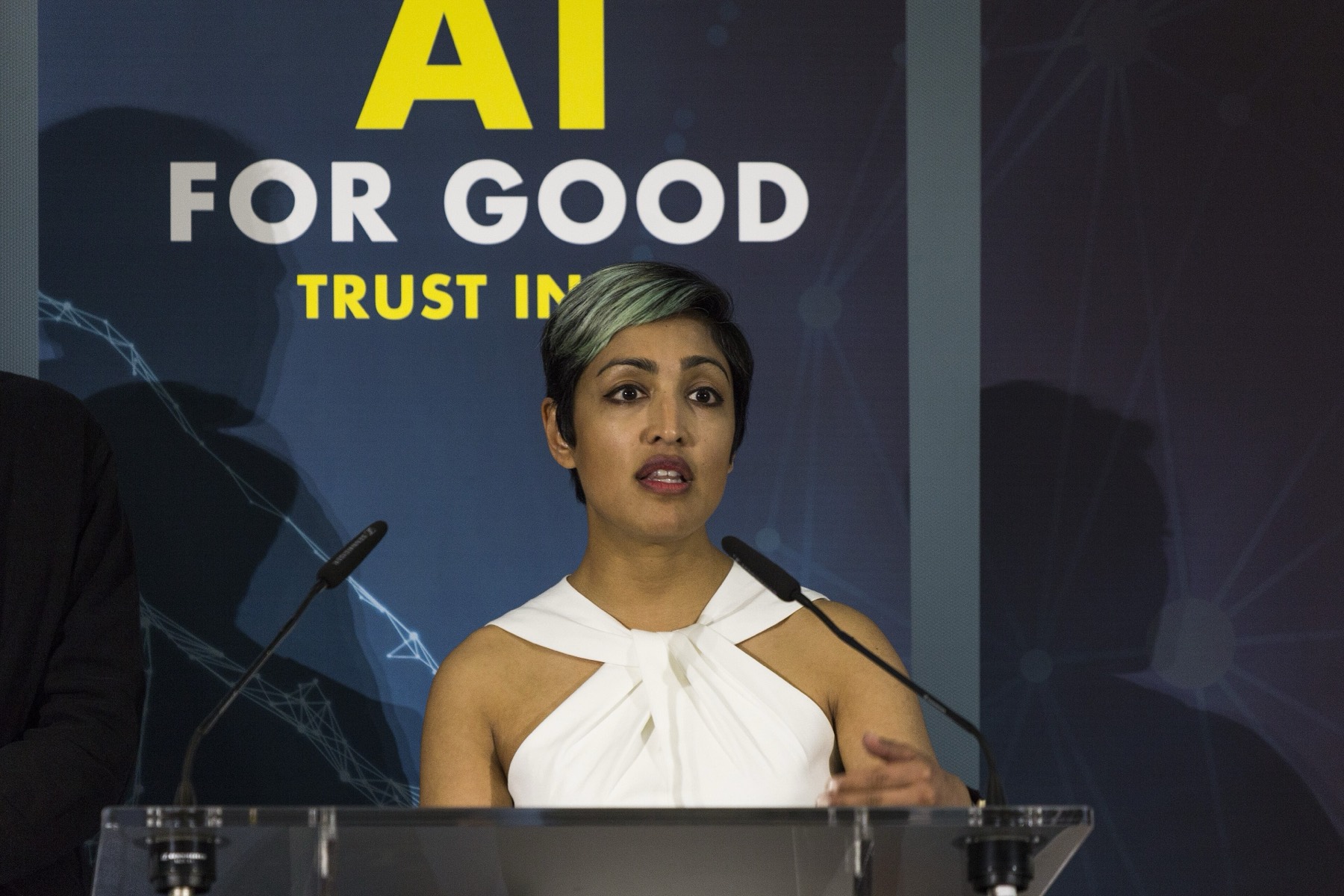

Marc Warner defends the pledge; Rumman Chowdhury sees a cost
Both sidesThe data2 rows · sources
| Side | Who | Claim | Source |
|---|---|---|---|
| For | Marc Warner | Faculty, which is now part of Accenture, was founded on the belief that AI should be safe by design, not safe by accident. | [5] |
| Against | Rumman Chowdhury | Evaluators have this very privileged access, but whether explicitly or implicitly, they know that it comes at a cost. | [1] |
Why does the step stop at 0.3?
Reuters cites two people familiar with the talks. The method rates that as reported, a band of 0.3 to 0.8 points. Verification carries a weight of 0.10, and a lab-controlled publication path reduces what an outsider can check about what ran and with what result.
The step sits at the bottom of the band for three reasons. First, talks continue, and one reviewer said Anthropic's had moved on by Oct. 8 1. Second, the labs described practices that already permit disclosure: Anthropic's established reviewers set their own publication decisions, and OpenAI's reviewers can flag large cuts. Third, METR and Redwood said the cuts to their Hugging Face report left their key findings intact.
Verification stood at 0.0 before this piece. The 0.3 enters the ledger's net as a recorded down-move, and the component reading stays at its floor. Before this piece the overall reading stood at 3.8 and it closes the day at 3.5.
What is on the record about evaluator publication, and what is claimed
The recordThe data8 rows · sources
| Column | Item | Source |
|---|---|---|
| On the record | Anthropic named Faculty its first embedded evaluator on Sept. 18 | [5] |
| On the record | Each company expects at least $1 billion over five years | [5] [6] |
| On the record | Accenture's release leaves publication rights unstated | [5] |
| On the record | Reuters saw one contract letting review firms publish confidential details | [1] |
| Claimed or open | Both labs wanted strict control until at least Oct. 5, per two people | [1] |
| Claimed or open | Anthropic's talks seemed to have moved on by Oct. 8, per one reviewer | [1] |
| Claimed or open | Amodei's pledge of findings free of editorial control is a promise | [2] |
| Claimed or open | Standards for access and reporting are still open | [3] |
By the numbers
- 23 days: the gap from Amodei's Sept. 12 commitment to Oct. 5, when Reuters says both labs still wanted strict control over evaluator publications 12.
- Two labs: Anthropic and OpenAI, named in the Reuters report as seeking control 1.
- Four categories of redaction fit Amodei's pledge: security-sensitive, legally privileged, commercially sensitive and third-party-confidential material 2.
- At least $1 billion each: the investment Accenture and Anthropic expect to make over five years 56.
- Over 100 researchers signed the Sept. 18 open letter on evaluator independence 6.
- Three days passed between Oct. 5 and Oct. 8, when one reviewer said Anthropic's talks seemed to have moved on 1.
What to watch
Anthropic said it would name more embedded evaluators in the coming weeks and is talking with METR and other nonprofits about pilots 6. A signed publication right, a published evaluator report with its redactions disclosed, or a written access and reporting standard would confirm that the pledges became terms and would reverse this step 3. OpenAI's next disclosure of how much it cut from a reviewer's report, and a rule that bars sign-off over whole reports, would show where the labs settled. Hinton's open letter sets a test any contract can be read against: evaluators that "should not have other significant commercial business with them".
Sources
- 1AI labs sought control over what outside evaluators publish, Reuters says, The Next Web, Alina Maria Stan, Oct. 13, 2026
- 2Outside Evaluators Will Get Desks at Anthropic and the Right to Publish, Sovereign Magazine, Darie Nani, Sept. 13, 2026
- 3Who Checks a Frontier AI Lab's Work? 12 Arrangements, Digital Applied, Digital Applied Team, Sept. 20, 2026
- 4Altman dice que OpenAI igualará el compromiso de evaluador integrado de Anthropic, Unite.AI, Mira Kellan, Sept. 12, 2026
- 5Accenture and Anthropic Partner to Build Team of Embedded Evaluators at Anthropic, Accenture Newsroom, Accenture, Sept. 18, 2026
- 6Anthropic Picks Accenture as First Embedded Evaluator and Will Pay for the Work, Implicator.ai, Marcus Schuler, Sept. 20, 2026
- 7In AI evaluation, access is not evidence, Brookings Institution, Elham Tabassi, Sept. 24, 2026